



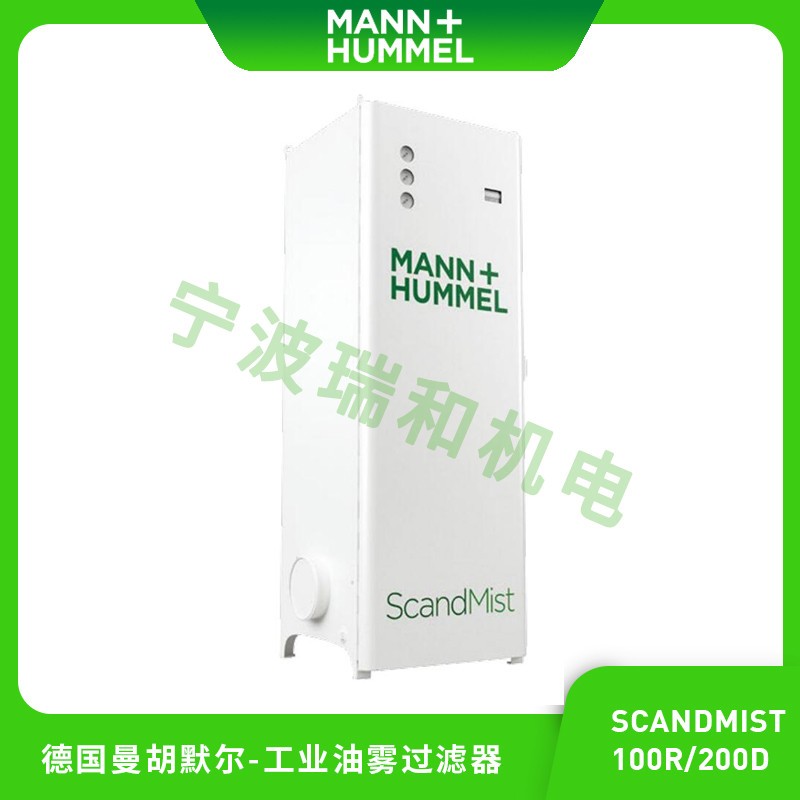
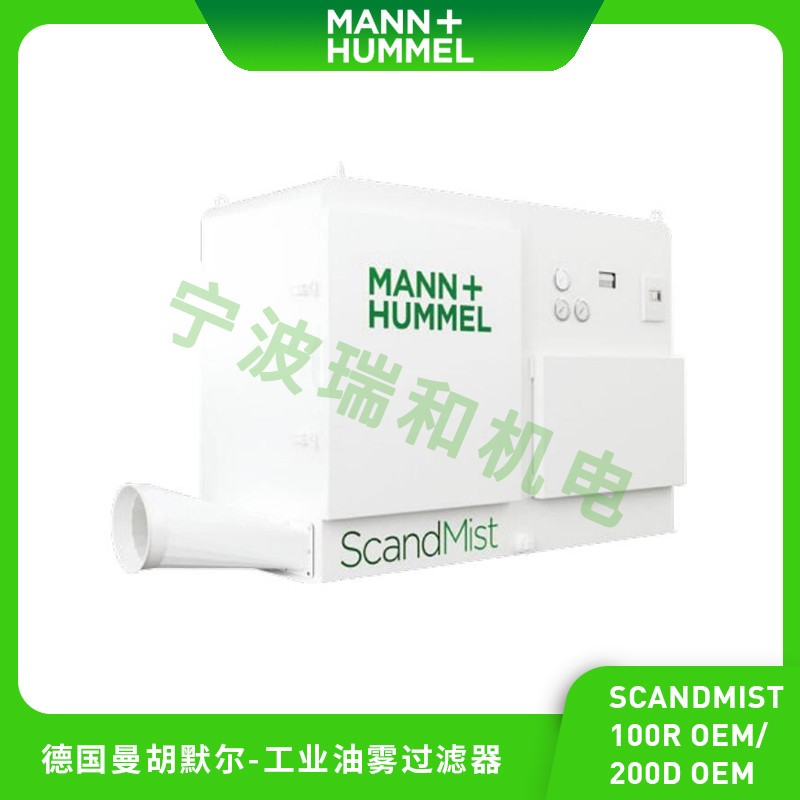
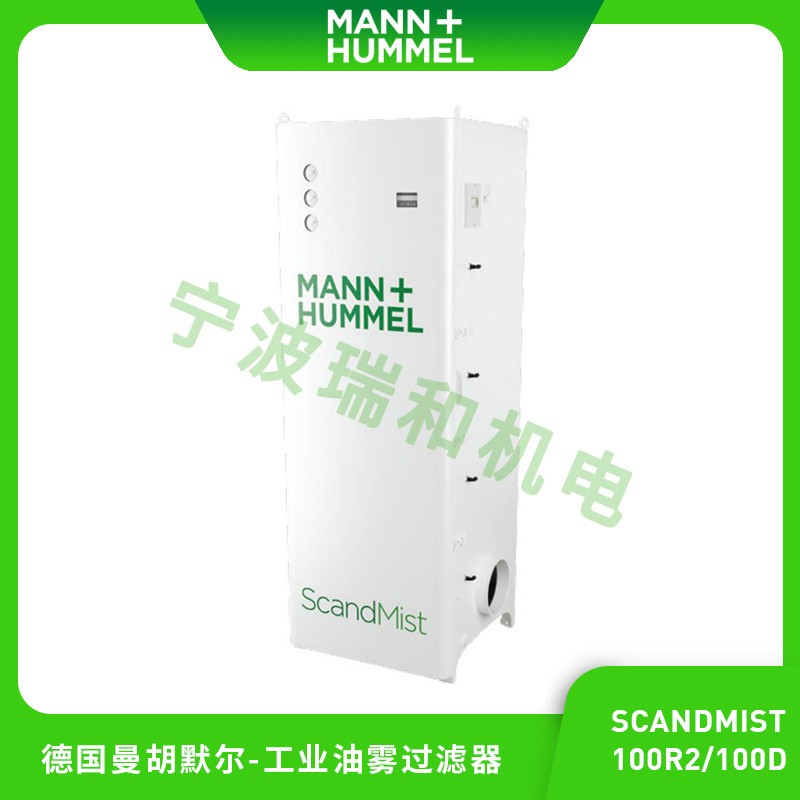
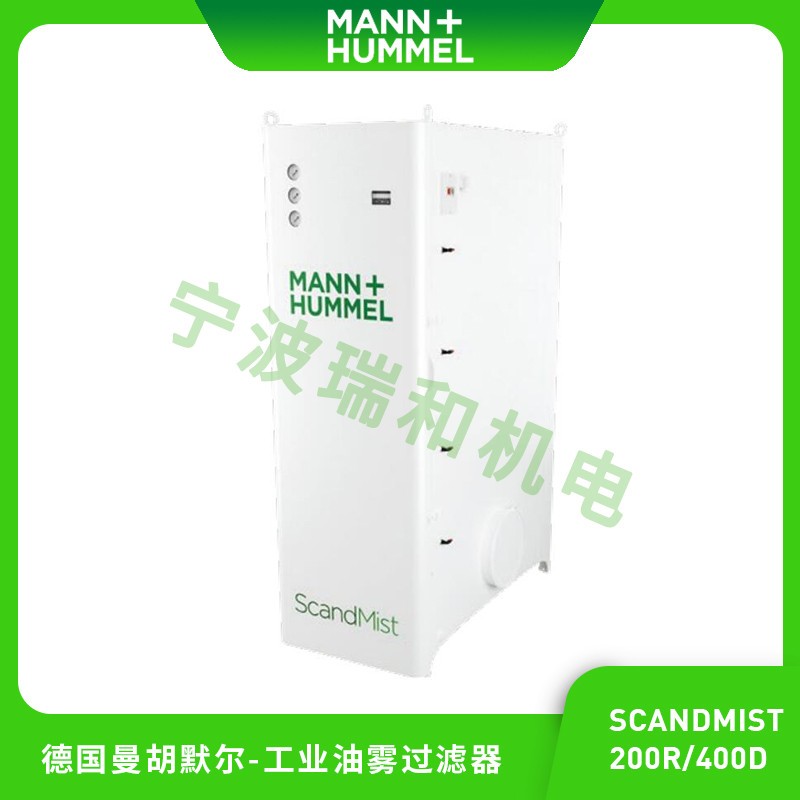
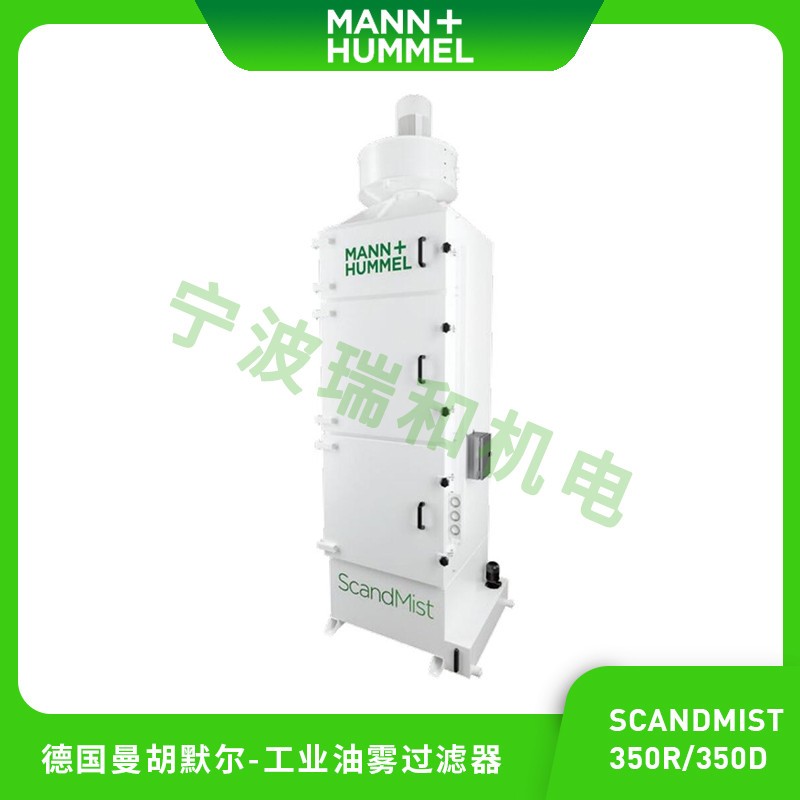
Industrial filtration systems are the main preventive measures against the hazards of oil mists. Here we introduce four technical methods, which can either be centrally deployed or partially installed on one or a batch of machines.
Medium filtration
Medium filtration air cleaning systems for processing applications typically employ disposable fabric-type filters to effectively capture smoke, fog and metal particles. High-efficiency air (HEPA) filters are common products of medium filters, although filters come in a variety of medium efficiencies, styles and materials. Air filtration media include strain, inertial impact, interception and diffusion.
Centrifugal separator
The centrifugal separator uses centrifugal force to separate the oil mist from the airflow. The air entering the separator, under the effect of rotation, separates the oil mist particles onto the four walls of the separator. Centrifugal separators are mainly used for coarser particles and have limited effect on PM1 particles with smaller diameters.
Electrostatic filter
In the electrostatic filtration system, the incoming aerosol charges in the ionization zone, causing the particles to deflect into the induced electric field of the collector plate. The separated oil mist will flow away under the effect of gravity. This separation technology is more suitable for oil mist separation but not for emulsion mist or mixed coolant separation. The electrostatic filtration system places great emphasis on maintenance and requires regular cleaning and upkeep.
Mechanical separator
In the mechanical separator system, aerosols pass through multiple filtration stages to remove oil mists and other contaminants. In the first stage (sometimes the second stage), the coalescer filter separates the oil or emulsion in the air. These stages use oleophobic fibers to collect and coalesce small oil droplets into larger ones, which are then discharged into the storage tank by air flow. After the mechanical system separates the oil or emulsion, the further filtration stage will remove the remaining microscopic particles. Even the smallest particles (including bacteria, metal debris and other PM1 contaminants) can be captured. This filtration stage typically employs HEPA filters, so the quality of the air discharged from the mechanical separator is equivalent to that in some clean rooms and operating rooms.Designed specifically for performance
Durable

ScandMist high air volume
Professional customized system
ScandMist high air volume platform
The ScandMist high-volume platform can manage the oil mist emissions from multiple CNC machines and is particularly suitable for high-volume production environments that require an entire production line filtration system. These high-volume systems are designed as part of the local ventilation system and can handle air flows ranging from 6,000m/h to 100,000m/h.
The advantage of the ScandMist high-volume system lies in its simplicity. Each one is a fully customized design but consists of a series of standard ScandMist modules - sharing one inlet and one base. This modular approach enables us to quickly design a system and tailor it to your specific requirements.
Each ScandMist high air volume system is an integrated unit, which can be configured according to your requirements. However, the standard ScandMist high air volume system includes
■ ScandMist多级过滤模块ScandMist multi-stage filtering module
■ System control cabinet
■ Frequency converter
■ Large capacity
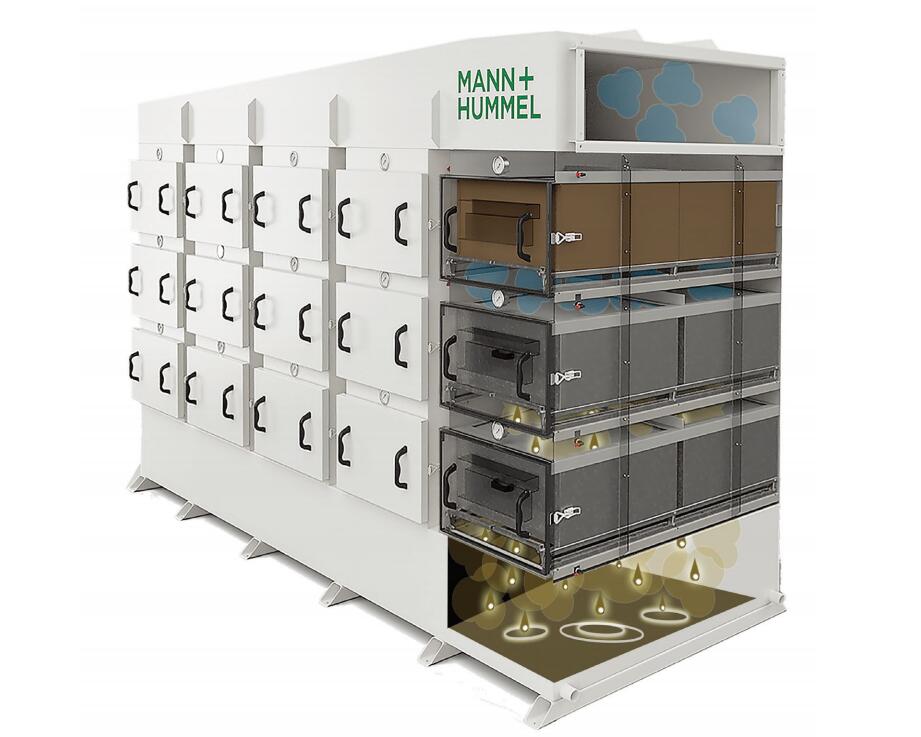
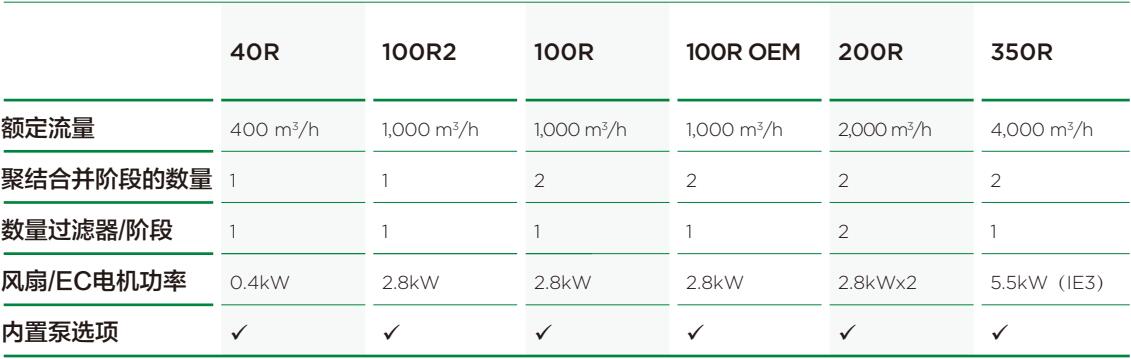
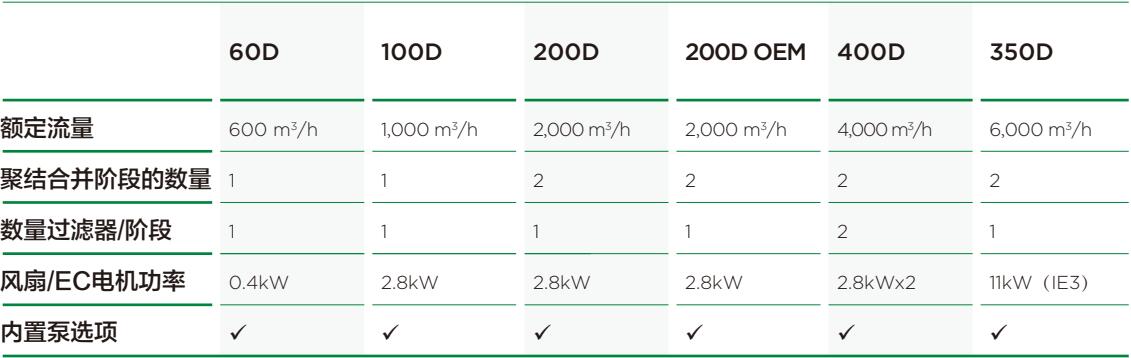
ScandMist R series
Fume filtration system


1688